
Family history is more than a collection of names and dates. It includes the voices, traditions, journeys, challenges, celebrations, and everyday moments that shaped the people who came before us.
Photographs can preserve familiar faces, but the stories behind them can disappear if no one records them. Taking time to identify people, ask questions, and document memories gives future generations more than an image—it gives them a connection to their family’s past.
Begin with the Stories Your Family Already Knows
You do not need to complete years of genealogical research before preserving family history. Begin with the people, photographs, and stories already available to you.
Talk with parents, grandparents, aunts, uncles, cousins, and longtime family friends. Ask questions that invite more than a name or date, such as:
- Where did you grow up?
- What do you remember about your parents or grandparents?
- Which family traditions were important to you?
- What was your home or community like?
- How did the family celebrate weddings, birthdays, or holidays?
- What challenges did the family overcome?
- Which stories should younger relatives know?
- Who are the people in your oldest photographs?
Record the answers in writing or, with permission, make an audio recording that can be transcribed later.
Identify the People in Family Photographs
An unlabeled photograph may eventually become a mystery. While relatives can still identify the people and occasions shown, record as much information as possible.
For each photograph, try to document:
- The names of the people pictured
- Their relationships to one another
- The approximate date
- The location
- The event or occasion
- The person who provided the photograph
- Any story connected to the image
If you are uncertain about a name or date, mark it as unconfirmed rather than guessing.
Preserve the Details Behind the Names
Names and dates establish a family record, but personal details bring that record to life. Consider preserving:
- Family recipes and holiday traditions
- Letters, cards, and handwritten notes
- Immigration and migration stories
- Military service
- Occupations and community involvement
- Wedding and anniversary memories
- Family reunions
- Favorite sayings and expressions
- Stories of resilience, accomplishment, and change
These details help younger generations understand not only who their relatives were, but how they lived and what mattered to them.
Choose the Right Format for Each Part of the Story
Different keepsakes preserve different kinds of family information.
Family Tree Canvases
A personalized family tree canvas can visually connect photographs, names, dates, relationships, and generations. It works especially well for displaying the family structure in a form relatives can see and share.
Family-History Scrapbooks
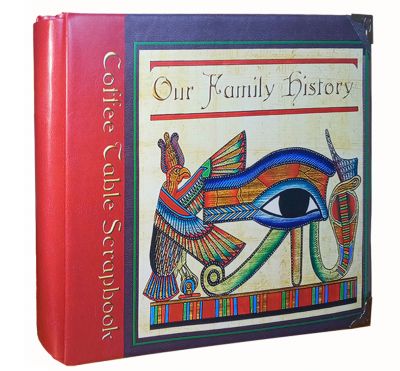
A family-history scrapbook provides room for longer stories, documents, recipes, letters, captions, and additional photographs that may not fit within a family tree canvas.
Personalized Photo Books
A personalized photo book can organize photographs around a person, family, event, journey, wedding, reunion, or period of life.
Handcrafted Picture Frames
A handcrafted picture frame can highlight selected family photographs and meaningful milestones. Family tree silhouette frames can display photographs of one to six children, depending on the chosen design.
Explore Family Tree Silhouette Picture Frames.
Preserve Memories of Loved Ones
Photographs and written memories can help families honor loved ones who have died. A remembrance project may include:
- A favorite portrait
- Important dates
- Family relationships
- A meaningful quotation
- Stories shared by relatives
- Photographs from different stages of life
- Memories of traditions, accomplishments, and character
There is no single correct way to create a remembrance keepsake. The most meaningful approach is one that reflects the person honestly and respectfully.
Involve More Than One Generation
Family-history preservation can become a shared project. Children can help identify photographs, type names, or ask older relatives questions. Adults can verify information and scan documents. Older relatives can contribute memories that may exist nowhere else.
Working together allows family members to learn from one another while creating something that can be passed forward.
Make Family Preservation an Ongoing Practice
You do not have to preserve everything at once. Begin with one person, one branch of the family, one box of photographs, or one meaningful event.
As new information becomes available:
- Update your written family records.
- Add names and dates to unidentified photographs.
- Preserve new stories shared by relatives.
- Store original photographs and documents carefully.
- Tell family members where important records are kept.
- Create additional keepsakes for different branches or generations.
Small, consistent efforts can protect memories that might otherwise be lost.
Keep Your Family’s Story Visible
Preserving family history is an act of remembrance and connection. Each photograph you identify and each story you record helps future generations understand the people whose lives shaped theirs.
A family tree, scrapbook, photo book, or handcrafted frame can make those memories visible—but the most important step is beginning while the stories can still be told.
Explore Photo Family Tree keepsakes and choose a meaningful way to preserve your family’s story.